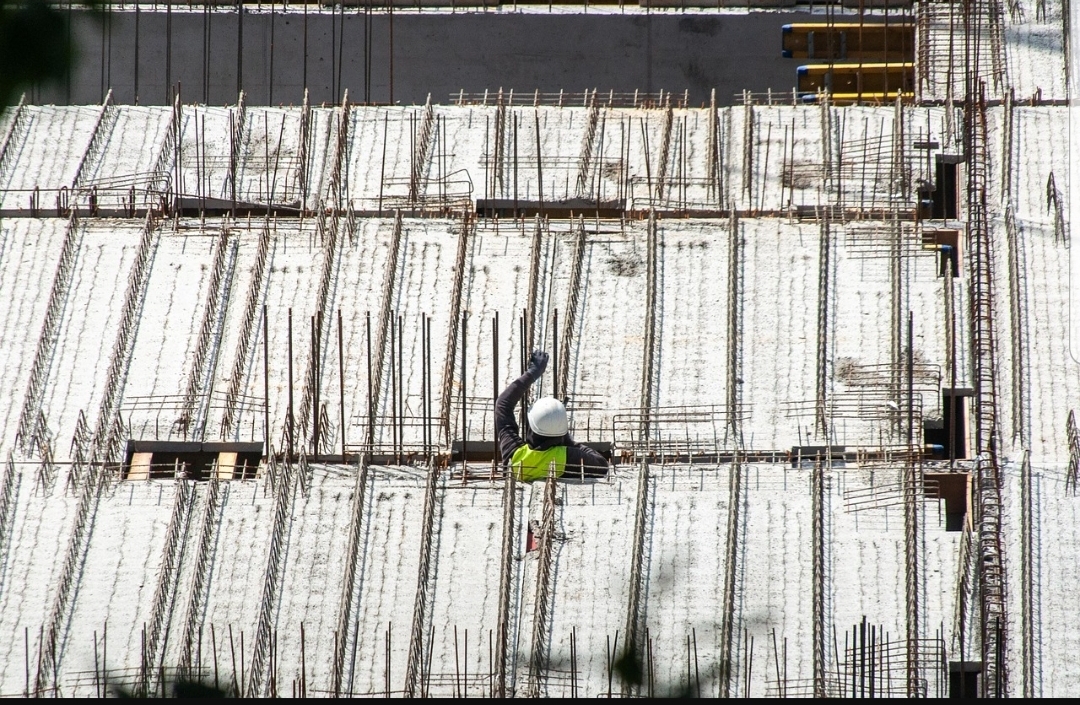
Canada remains one of the top global destinations for skilled and unskilled construction workers seeking stable employment, competitive salaries, and structured immigration pathways.
Driven by rapid population growth, infrastructure expansion, and nationwide development projects, the country faces an ongoing labour shortage across multiple construction fields. As a result, employers across provinces like Ontario, Alberta, British Columbia, Manitoba, and Saskatchewan actively recruit foreign workers to fill critical workforce gaps. For immigrants looking to start or advance a construction career abroad, visa-sponsored construction jobs in Canada present significant opportunities.
Construction roles in Canada are available across various categories, including carpentry, concrete finishing, plumbing assistance, scaffolding, roofing, general labouring, heavy equipment operation, and site maintenance. Many of these positions require physical strength and a willingness to work outdoors, but not necessarily formal education. The Canadian government, recognising persistent labour shortages in the construction sector, supports employers in sponsoring foreign workers through programs such as the Temporary Foreign Worker Program (TFWP) and the Labour Market Impact Assessment (LMIA) process.
For job seekers from Australia, Africa, Asia, Europe, and beyond, construction jobs in Canada are more than just employment opportunities—they represent pathways to long-term settlement, professional development, and financial stability. With clear immigration steps, regulated work conditions, and high protection standards under Canadian labour laws, construction workers entering through visa sponsorship programs can build a sustainable future in one of the world’s most advanced economies. This comprehensive guide explains how to secure construction jobs in Canada with visa sponsorship, detailing requirements, application steps, employer lists, and common mistakes to avoid in 2025.
Entry Level Jobs for Immigrants
Entry-level construction jobs in Canada offer newcomers the chance to gain immediate employment without extensive experience or professional certifications. These roles typically involve assisting tradespeople, handling basic tools, preparing worksites, cleaning debris, loading materials, and supporting daily construction activities. Employers value individuals who demonstrate reliability, stamina, flexibility, and a willingness to learn—qualities that are far more important than formal qualifications for many entry-level positions.
Common entry-level roles include construction labourer, site helper, traffic control assistant, demolition worker, drywall helper, roofing assistant, paving worker, and excavation support. These roles form the backbone of Canada’s construction industry and are essential for building homes, commercial facilities, roads, bridges, and public infrastructure. Due to labour shortages, employers in major cities like Toronto, Vancouver, Edmonton, and Calgary regularly seek foreign workers to fill these positions through sponsored programs.
Many entry-level construction jobs offer on-the-job training, enabling immigrants to build skills quickly and progress into better-paying roles. Workers who start as helpers can advance into skilled trades such as carpentry, welding, electrical assistance, and equipment operation by completing short certification courses or trade apprenticeships. This upward mobility is one of the main reasons immigrants choose construction jobs as their entry point into the Canadian workforce.
Despite the physical demands, entry-level construction jobs in Canada offer solid wages, overtime opportunities, health benefits, and stable working schedules. Employers must comply with Canada’s strict labour laws, ensuring safe working environments, protective gear, and structured work hours. For immigrants seeking a reliable, accessible, and future-oriented job sector, the construction industry remains one of the most promising pathways to long-term settlement and financial security.
Visa Requirements for Employment
Below is the table outlining the major visa requirements for securing construction jobs with sponsorship in Canada:
| Requirement | Description |
|---|---|
| Valid Passport | Must be valid for full work duration. |
| LMIA-Approved Job Offer | Employer must obtain a Labour Market Impact Assessment. |
| Work Permit Application | Submitted online after receiving job offer. |
| Completed IMM Forms | Includes IMM 1295 and supporting documents. |
| Proof of Funds | Demonstrates financial capability for initial settlement. |
| Medical Examination | Required for long-term work in Canada. |
| Police Clearance Certificate | Must show no criminal record. |
| Biometric Enrollment | Fingerprints and photograph taken at a Visa Application Centre. |
| Passport Photograph | Must meet IRCC photo requirements. |
| Employment Contract | Signed contract outlining job duties and wages. |
Salary Scale for Immigrants
Construction workers in Canada earn competitive wages, which vary by province, experience, and job type. General estimates include:
- Hourly Wage: CAD $18 – $35 per hour
- Weekly Earnings: CAD $720 – $1,400
- Monthly Salary: CAD $2,800 – $5,800
- Annual Earnings: CAD $40,000 – $75,000+
Specialized trades such as welding, roofing, heavy equipment operation, and carpentry earn significantly higher pay.
Benefits may include:
- Overtime pay
- Health and dental insurance
- Protective gear provided by employer
- Accommodation support (job-site dependent)
- Transportation allowance
Steps to Get Visa Sponsorship in Canada as a Construction Worker
- Search for LMIA-supported construction job vacancies through verified job boards or employer websites.
- Submit your application and resume tailored to construction roles.
- Attend initial interviews or skill assessments as requested by employers.
- Receive a formal job offer containing contract details and job responsibilities.
- Employer applies for a Labour Market Impact Assessment (LMIA).
- After LMIA approval, apply for a Canadian work permit online.
- Complete biometrics at the nearest Visa Application Centre (VAC).
- Submit required documents and respond promptly to IRCC requests.
- Receive your work permit approval and visa stamp.
- Travel to Canada and commence work with your employer.
List of Construction Companies Offering Visa Sponsored Jobs in Canada
These companies frequently recruit foreign construction workers and offer LMIA support:
- PCL Construction
- EllisDon Corporation
- Ledcor Group
- Aecon Group Inc.
- Bird Construction
- Graham Construction
- Stuart Olson
- Crosslinx Transit Solutions
- Kiewit Canada
- Flynn Group of Companies
- Maple Reinders
- JJM Construction Ltd.
Application Requirements and Documents
You must prepare the following documents:
- Valid international passport
- Updated resume/CV
- Job offer letter
- LMIA approval document
- Medical certificate
- Police clearance certificate
- Work permit forms (IMM 1295 and others)
- Passport-sized photographs
- Proof of funds
- Educational or training certificates (optional but beneficial)
Meeting the Eligibility Requirements
To qualify for construction jobs with visa sponsorship, applicants must:
- Be at least 18 years old
- Be physically fit and capable of handling construction tasks
- Have no criminal record
- Possess a valid passport
- Demonstrate the ability to follow safety procedures
- Be willing to work in diverse weather conditions
- Have basic English communication skills
- Show proof of intention to leave Canada after permit expiration
Employment Agency to Find Opportunities
The following agencies help immigrants secure construction jobs in Canada:
- Hays Recruitment Canada
- Randstad Canada
- ManpowerGroup Canada
- Drake International
- Blue Signal Staffing
- Global Hire Recruitment
- WorkVantage International Workforce Solutions
Always verify agency legitimacy through official IRCC resources or JobBank Canada.
Applying at the Canada Embassy
The application process includes:
- Submitting your work permit application online through IRCC.
- Booking a biometric appointment at an official Visa Application Centre.
- Submitting fingerprints, photographs, and supporting documents.
- Attending an interview if required (not compulsory for all applicants).
- Collecting your passport with the approved visa.
Ensure all documents are complete, accurate, and professionally presented to avoid delays or denials.
Mistakes to Avoid During the Process
- Submitting incomplete or inaccurate documents
- Applying through unverified job agents
- Providing false or misleading information
- Missing biometric deadlines
- Failing to respond to IRCC requests
- Ignoring LMIA verification
- Using a poorly written resume that does not reflect construction skills
Arriving in Canada and Residence Permit Conversion
Upon arrival, an immigration officer will issue your Work Permit, which authorizes employment under your specific employer and occupation. You must:
- Apply for a Social Insurance Number (SIN) immediately
- Attend your employer orientation
- Follow workplace health and safety rules
- Comply with immigration conditions
Permanent residency pathways include:
- Provincial Nominee Program (PNP)
- Canadian Experience Class (CEC)
- Federal Skilled Trades Program (FSTP)
- Employer-supported PR nominations
Embassy Contacts and Verification (2025 Update)
Canada High Commission, Abuja
- Address: 13010G, Palm Close, Diplomatic Drive, Abuja
- Phone: +234 9 461 2900
Canada Visa Application Centre (Lagos)
- Address: Churchgate Tower 2, Plot PC 31, Victoria Island
- Phone: +234 815 018 8800
Verification channels:
- IRCC official website
- LMIA employer verification tools
- JobBank Canada registry
- Provincial labour department databases
Conclusion
Canada’s construction industry provides immense opportunities for foreign workers seeking employment, financial stability, and pathways to long-term settlement. With employers consistently recruiting through LMIA and TFWP programs, construction jobs remain among the most accessible visa-sponsored occupations for immigrants. By following proper procedures, preparing accurate documentation, and applying through verified employers, you can secure a rewarding construction job in Canada in 2025. This guide equips you with essential information to begin your application journey confidently and professionally.
Frequently Asked Questions
1. Do construction jobs in Canada require prior experience?
Not always. Many entry-level roles provide full on-the-job training.
2. Can construction workers apply for permanent residency?
Yes, through pathways such as the Provincial Nominee Program and the Canadian Experience Class.
3. What is the average salary for construction workers?
Construction workers earn between CAD $18 and $35 per hour depending on skills and location.
4. Is accommodation provided?
Some employers offer accommodation or allowances, depending on the job site.
5. How long does the work permit process take?
Processing takes 4–12 weeks depending on your country and season.
6. Can I change employers after arriving?
You must apply for a new work permit tied to the new employer before switching.
7. Is the construction industry safe?
Yes. Canada has strict health and safety regulations for all construction worksites.